




Written by: Brian Schiff, Sports Physical Therapist at EXOS @ Raleigh Orthopaedic
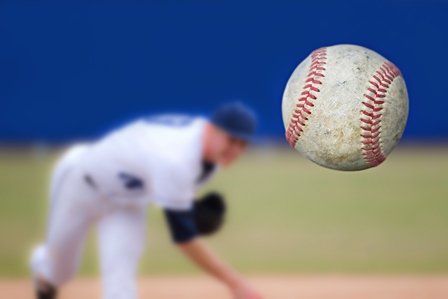
One of the hardest things to do is get inside the head of a young athlete. Many will refrain from mentioning pain for fear of letting down a parent or coach, or out of concern for losing playing time. Society has become too focused on early specialization and winning at an early age. The concept of long term development has been lost in the quest to produce young stars. In addition, “travel baseball” has lead to kids having too little rest or improper recovery after they pitch and catch. In North Carolina, kids can play most of the year, and they tend to do pitching lessons in the winter months.
The biggest, most athletic and hardest throwing kids undergo the most strain as they are asked to shoulder the load at pitcher, catcher and shortstop early on. Many coaches are counting innings in tourneys instead of pitches based on the tournament guidelines. Too many kids are pitching on consecutive days without proper rest all in an attempt to win meaningless tournaments at a young age. Fortunately, we are making progress in the sports medicine world thanks to the efforts of Dr. James Andrews and other leading experts.
High schools are adopting pitch count regulations this year. Major League Baseball along with Dr. Andrews have developed their own website, www.pitchsmart.org, to spread education about injury prevention in youth pitchers. One of the biggest risk factors is pitching while fatigued. In addition, research indicates that pitching more than 100 innings per year significantly increases injury risk. Below are some important guidelines to remember with respect to arm care:
- Look for signs of fatigue or soreness such as a player shaking his arm out, rubbing the arm or facial expressions that suggest discomfort
- Avoid pitching and catching on the same day
- Avoid playing in the outfield after pitching as a long throw from the outfield may place harmful stress on the arm
- Youth pitchers should master a fastball and change-up prior to working on curveballs and sliders
- Younger players should not use a radar gun as this encourages overthrowing, but instead focus on proper mechanics and control
- Perform routine stretching and strengthening program to promote optimal shoulder mobility and rotator cuff/scapular strength and reduce injury risk
- Never throw through pain
If you have questions about arm pain related to throwing, contact EXOS @ Raleigh Orthopaedic at 919.876.1100 for a free injury screen or comprehensive arm care evaluation.
About Brian Schiff, PT, OCS, CSCS:
Brian Schiff graduated from Ohio State University in 1996 with a Bachelor’s of Science degree in Allied Health Professions, Physical Therapy. He became a Certified Strength and Conditioning Specialist (CSCS) through the National Strength and Conditioning Association in 1998. From 2002-2006, Brian served as the Strength and Conditioning coach for the Columbus Crew Major League Soccer Team. Brian is an APTA board certified Orthopaedic Clinical Specialist (OCS) and also certified in Functional Movement Taping (FMT) and the Functional Movement Screen (FMS). In 2014, he became credentialed to perform Dry Needling.
Brian has worked as the supervisor and Sports Physical Therapist for EXOS @ Raleigh Orthopaedic since 2010. He specializes in treating orthopaedic and sports medicine cases and has a special interest in rehabbing baseball injuries and ACL prevention/rehab. Brian has worked with athletes in NFL, NBA, MLB, NHL, MLS, USTA, US Rugby as well as numerous Division 1 Collegiate athletes. He currently serves as a PT consultant for the Carolina Hurricanes. Brian is also a faculty member for Allied Health Education and presents continuing education webinars and live seminars for PT’s, ATC’s and fitness professionals.