




Shoulder injuries can affect everyone! They don’t only happen to athletes and older adults like most people think. As a matter of fact, shoulders are the most commonly injured joints and individuals between the ages of 18 to 88 can experience a shoulder injury. This is because the shoulder joint is complex and has the greatest range of motion, making it more prone to strains and repetitive injuries.
Shoulder injuries cause severe pain that can lessen an individual’s mobility and strength, affecting their daily activities. When you experience an injury or a condition that affects your shoulder, the main thing you want to do is find the best cure for it. But the sad truth is that many people choose to delay or ignore their shoulder pain, thinking it will heal or get better over time. If that’s where you are at the moment, please read shoulder injury facts discussed by our shoulder doctor in Raleigh that you should know.
Shoulder injuries are treatable when given immediate medical attention
The key to achieving proper recovery from any type of shoulder injury is to address it as early as possible. Oftentimes, shoulder injuries can be treated without surgery. The main goal of treatment is to reduce inflammation, decrease pain, strengthen muscles and improve the range of motion. Obtaining immediate medical care for your shoulder injury prevents it from getting worse over time. Remember that ignoring the pain and not seeking medical attention will most likely not make the injury go away.
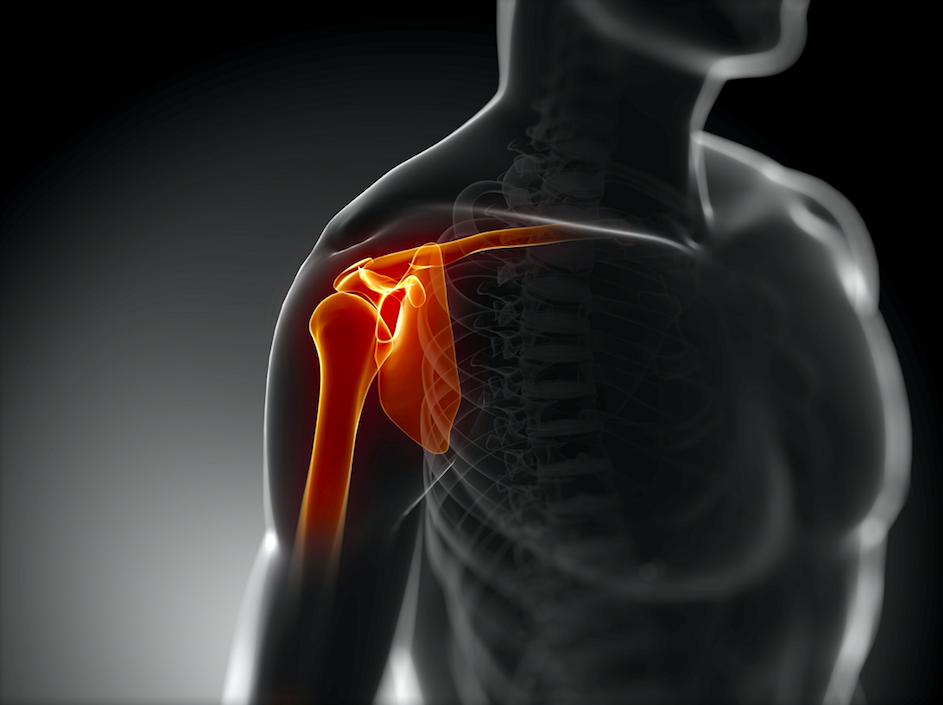
Shoulder injuries are mostly caused by a rotator cuff problem
Ruptured rotator cuff or rotator cuff tears are the most common causes of shoulder pain and immobility. In some cases shoulder pain is caused by conditions such as tendinitis, osteoarthritis, impingement, shoulder fracture or instability.
Rotator cuff is a group of muscles and tendons responsible for stabilizing the shoulder. Most rotator cuff tears occur because of a sudden fall, an accident, or they develop over time due to repetitive motion and overuse. A tear makes the shoulder weak and painful, especially when a person is lifting their arm up or doing daily routines like brushing teeth, brushing their hair, or changing clothes.
Around 50% of people who are suffering with rotator cuff tears can reduce their pain and improve the function of their shoulder with non-surgical treatment methods like physical therapy, activity modification, medications and more.
Shoulder injuries can disrupt your sleep and worsen the injury
Not getting good sleep because of shoulder pain can make the injury worse over time. An injury could cause severe discomfort while sleeping. It may even disrupt sleep, which further worsens the pain. To avoid this cycle from happening, seek medical help as early as possible.
Shoulder exercises can either help or hurt your shoulders
Engaging yourself in an exercise routine is the best way to keep your shoulders strong, flexible and healthy. It is also the best way to prevent injuries from happening. However, it is important to focus on your technique of shoulder exercises because improper techniques may lead to strains and weakness of the shoulders.
Remember these four shoulder injury facts as they can further help you keep your shoulders healthy. It is always best to immediately seek medical attention to prevent shoulder injuries from worsening.
The Raleigh Orthopedic physicians provide comprehensive and specialized care for a wide variety of shoulder conditions using the latest techniques. The shoulder doctors in Raleigh are dedicated to achieving quality outcomes, and have many services available on-site to ensure that patients receive the most appropriate care for their orthopedic shoulder conditions.

The material contained on this site is for informational purposes only and DOES NOT CONSTITUTE THE PROVIDING OF MEDICAL ADVICE, and is not intended to be a substitute for independent professional medical judgment, advice, diagnosis, or treatment. Always seek the advice of your physician or other qualified healthcare provider with any questions or concerns you may have regarding your health.