




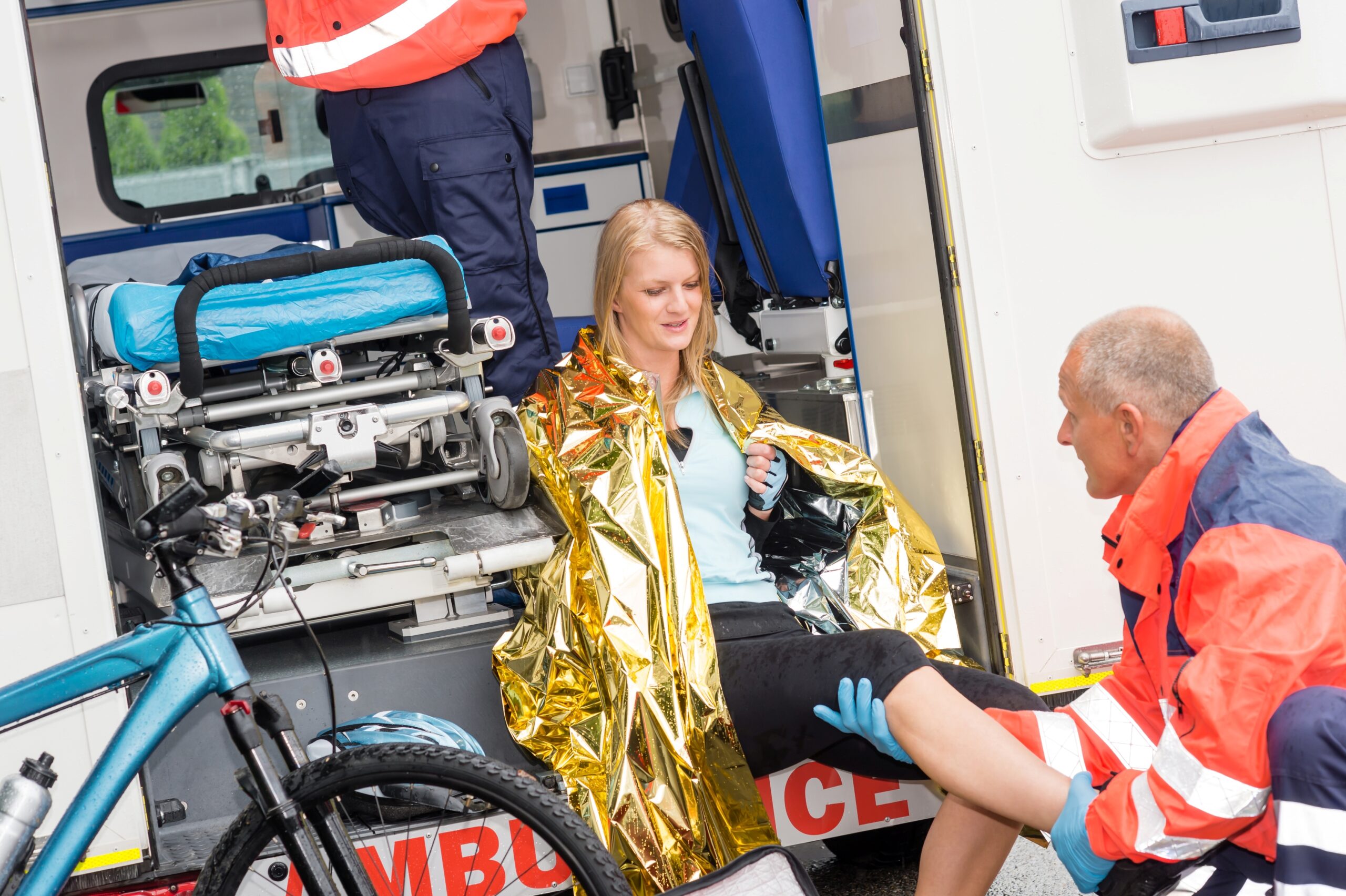
What is an overuse injury?
An overuse injury is one that comes as a result of excessive and repeated use resulting on an insult to bones, muscles or tendons involved in the action being performed in a repetitive form.
How common are overuse injuries?
Overuse injuries are quite common. The age at which the population is being introduced to one particular activity or sport (sport specialization) continues to be younger and younger. Thirty to 45 million children in the US participate in sports. It is believed that 50% of injures at the middle and high school level are a result of an overuse injury.
What are the symptoms of an overuse injury?
The symptoms of an overuse injury can be several and varied. They can go from a mild ache after activity to significant pain even at rest. It all depends on the stage at which the injury is. For example:
• Grade I: symptoms are mild and only after activity
• Grade II: symptoms are mild during activity, without impairment in performance
• Grade III: mild to moderate symptoms and starts to interfere with performance
• Grade IV: severe symptoms which limit training and performance is significantly affected
• Grade V: severe symptoms even at rest which prevent the use of the affected area
If you or anybody you know is experiencing any of the symptoms listed above even if they seem minor, make sure you seek the attention of a Sports Medicine specialist with experience in the diagnosis and treatment of overuse injuries.
What kind of tests do I need if I have an overuse injury?
It all depends on the kind of injury, location and severity you may be experiencing. Unfortunately, there is no specific test to “see” an overuse injury in general, but rather, there are several tests that may be used to diagnose one.
The first step is to undergo a thorough physical examination by a specialist of the affected area and the areas surrounding the injury. Based on that, the specialist may request some tests – some of which may include x-rays, ultrasound, etc. Once all the information is gathered, you may receive a diagnosis and an explanation of its implications and a treatment plan.
How long will my symptoms last?
No two injuries are the same and no two patients are the same. Based on that, it is difficult to estimate length of symptoms as it all depends on the injury, the severity/stage at which it was identified and treated, etc. As a general rule of thumb, the earlier an injury is identified, diagnosed and properly treated, the quicker the recovery will be – that’s shy early recognition and proper evaluation by a specialist is important.
How do I know how severe my injury is?
As a general rule of thumb, you can determine this based on the frequency and severity of the symptoms. As mentioned above, at each one of the grades of injury, there are signs that may help you identify its severity. It is mostly based on intensity of symptoms, duration, timing and how it impairs your performance.
When should I return to my routine activities, sports, work or other?
The decision to return to activities including sports or work should come directly from your treating physician. That decision is based on serial examinations and resolution of symptoms. Only your doctor should determine when it is safe and appropriate for you to return to your normal activities.
How can I prevent an overuse injury?
This is likely the most important section. Staying “ahead of the game” to prevent injury is of paramount importance and here are some helpful tips: warm-up before activity and have a cool-down period after activity – avoid just suddenly stopping activity. Always remember to have proper strength training and stretching – if you do only one but not the other, that can cause problems. In addition, you should always ensure to drink enough water before, during and after activity, eat balanced meals and use proper equipment for whatever activity you are performing.
And always remember, if you think you may have an overuse injury or are exhibiting symptoms that raise such concern, seek immediate medical attention by one of our Sports Medicine specialists at the Raleigh Orthopaedic Clinic who specialize in injury diagnosis and management.
About the Author:
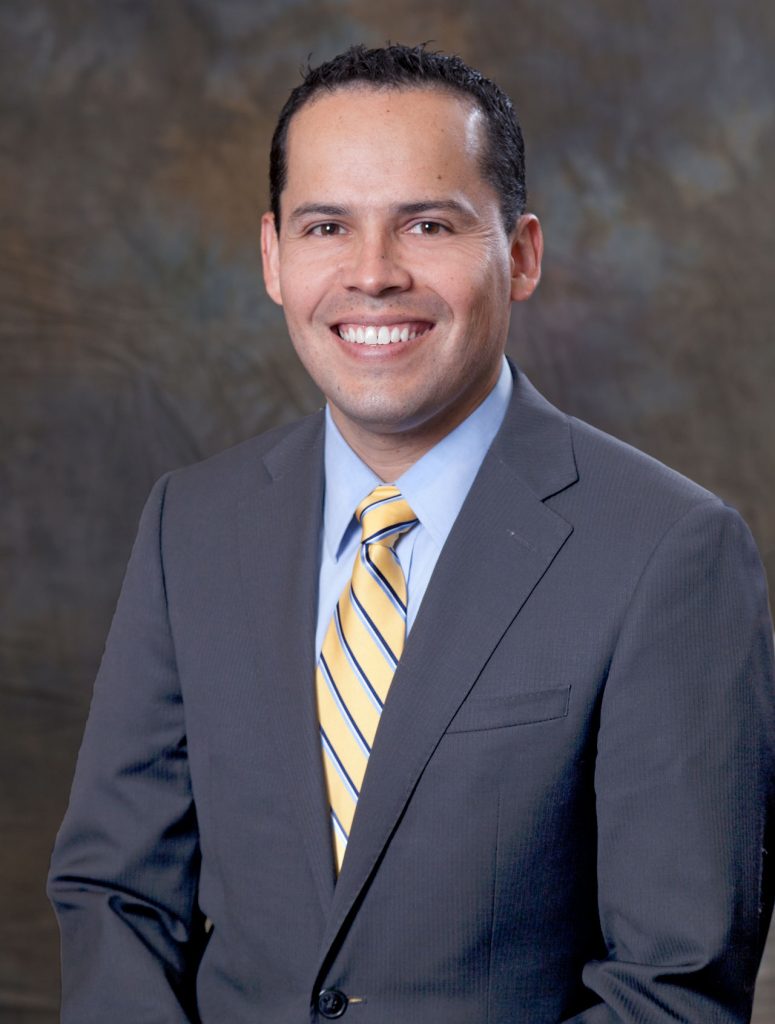
This article was written by Jaime Pedraza, MD. Dr. Pedraza s a published member of the American Medical Society for Sports Medicine, as well as the American College of Sports Medicine. He has also served as the Team Physician for the University of Michigan and Eastern Michigan University. He has vast experience treating athletes at all levels, from recreational athletes to those competing at the highest levels. Dr Pedraza specializes in both Concussion Management and Non-Operative Orthopaedics (Sports Medicine).