




According to our hand specialists in Cary, trigger finger occurs when your fingers lock up as you try to bend them. It can affect more than one finger at a time. The cause of this condition is most commonly repeated or forced movement of the fingers. This leads to inflammation or swelling of the tendon, which makes the fingers snap or pop when you try to bend or straighten them.
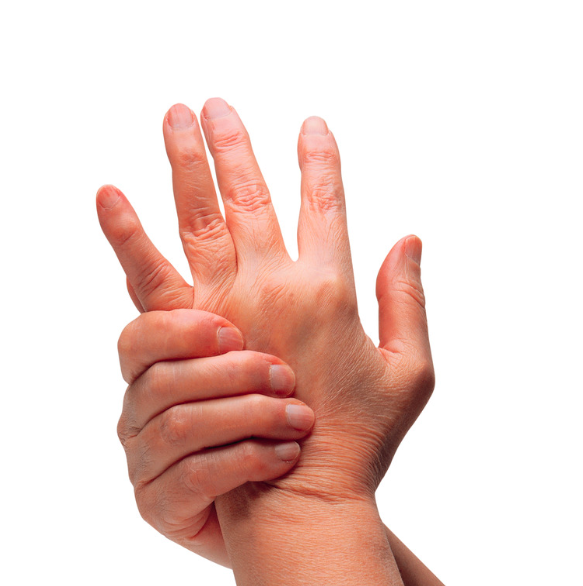
There are several treatment options that effectively cure this condition and here you can learn about most of them.
What are the symptoms of trigger finger?
If you have noticed these symptoms, chances are you may be experiencing trigger finger. The best thing you could do is to consult a doctor to know what treatment options will work best for you.
- Painful snapping or clicking of your fingers when you try to bend or straight them.
- Stiffness of your fingers that usually happens in the morning
- Soreness or a bump at the bottom of your fingers which is called nodules
- Popping or clicking when you move your fingers
- Locked up fingers
Over a period of time the injury can get worse showing symptoms such as:
- Morning stiffness
- Grasping firmly onto something
- Trying to straighten your fingers
What are the treatment options for trigger finger?
Often the treatment for trigger finger depends on the severity of the symptoms. The basic treatment includes the following:
- Rest
When a finger is swollen or inflamed it needs some time to rest. This can be done by avoiding the activities that are causing the problem and by eliminating any form of movement from the affected finger.
- Usage of splint
Most doctors provide a splint to maintain a steady position of the finger.
- Steroid injections
Steroids are injected to the tendon sheath to reduce inflammation. These are only given by healthcare professionals.
- NSAIDs
Non-steroidal anti-inflammatories (NSAIDs) are over-the-counter medications, recommended by your doctor, to fight inflammation.
If the treatment mentioned above didn’t work your hand doctor in Cary may recommend or suggest the following procedures:
- Surgery
Your attending surgeon will create a small lesion at the base of the finger(s) to correct the sheath around the tendon. Don’t worry, it’s just a minor surgery.
- Percutaneous release
This procedure starts with numbing the palm of your hand with anesthesia. Then, the doctor will make a surgical incision with a needle to loosen the tendon, so the finger can function normally.
Most patients who suffer from trigger finger(s) recover within a few weeks, but it still depends on the severity of your condition. Our hand specialists at Raleigh Orthopedic Clinic recommend starting with hand exercises to enhance your hand strength and to reduce the pain.
Find out more about Raleigh Orthopaedic Clinic
Raleigh Orthopaedic Clinic – Wake County’s leading orthopaedic practice – has 20 board certified and board eligible orthopaedic surgeons, with advanced training in their respective subspecialties, which include: hand, wrist and elbow surgery, neck and spine surgery, foot and ankle surgery, hip surgery, shoulder surgery, total joint replacement, and sports medicine.
Contact us today at 919-781-5600 or visit our website to find our more! We will be happy to assist you.
The material contained on this site is for informational purposes only and DOES NOT CONSTITUTE THE PROVIDING OF MEDICAL ADVICE, and is not intended to be a substitute for independent professional medical judgment, advice, diagnosis, or treatment. Always seek the advice of your physician or other qualified healthcare provider with any questions or concerns you may have regarding your health.