


Diagnosis and Treatment of Rotator Cuff Tears in Wake County

What is a Rotator Cuff Tear?
The rotator cuff is a group of four muscles and tendons that surround the shoulder joint, helping keep the ball of your upper arm bone centered in the shallow socket while you lift, reach, and rotate your arm. A rotator cuff tear happens when one or more of these tendons are partially frayed or completely pulled away from the bone. This tendon damage can occur suddenly due to injury or develop gradually over time from wear and tear. Tears can range from small, painful strains to more extensive damage that significantly limits strength and mobility. Many patients notice difficulty with everyday tasks, such as reaching overhead, lifting objects, or sleeping comfortably on the affected side. Early evaluation and treatment from a shoulder specialist at Raleigh Orthopaedic can help protect the shoulder and reduce your risk of larger, more complex tears. Learn more below about how we treat this common injury at our offices throughout Wake County.

What Causes Rotator Cuff Tears?
Rotator cuff tears are often the result of a combination of age-related changes in the joint and repetitive shoulder use. Over time, tendons throughout the body can weaken and become more susceptible to injury, especially for people who perform overhead activities during work, sports, or hobbies. A fall, heavy lift, or sudden force can also cause an acute tear in an otherwise healthy tendon. Common causes of rotator cuff tears include:
- Degenerative wear and tear with aging
- Repetitive overhead motions (throwing, lifting, painting)
- Sudden trauma, such as a fall onto an outstretched arm
- Heavy lifting or pulling injuries
- Poor shoulder mechanics or muscle imbalance
Symptoms of a Rotator Cuff Tear
Rotator cuff tears can cause a wide range of symptoms, from mild soreness to sharp pain and weakness that interferes with daily activities. Some patients notice symptoms right after an injury, while others experience a slow onset with discomfort that worsens over time. Pain is often more noticeable at night or when reaching overhead or behind the back. If you have torn your rotator cuff, you may notice:
- Pain in the front or side of the shoulder
- Discomfort that worsens with lifting or reaching overhead
- Weakness when raising or rotating the arm
- Difficulty sleeping on the affected shoulder
- Catching, popping, or a feeling that the joint is “giving way”
- Limited range of motion or stiffness
How are Rotator Cuff Tears Diagnosed?
Diagnosis of a rotator cuff tear begins with a detailed discussion of your symptoms, medical history, and any recent injuries, followed by a physical examination. Your Raleigh Orthopaedic provider will assess your shoulder strength and range of motion. Pain when performing specific movements is a strong indicator of a rotator cuff tear. Although X-rays do not show soft tissues directly, they can allow your doctor to visualize other potential causes of shoulder pain, including bone spurs, arthritis, or another orthopedic injury. To evaluate the rotator cuff tendons themselves, advanced imaging such as ultrasound or MRI may be ordered. These tests help your doctor determine the severity of the tear (partial or full-thickness), how large it is, and whether the tendon has retracted. This information guides treatment recommendations, from conservative care to surgical repair (if needed). MRI scans are available at our orthopedic clinics in Raleigh and Garner.

Treatment Options for Rotator Cuff Tears at Raleigh Orthopaedic
Many rotator cuff tears, particularly those that are smaller or occur as a result of wear and tear over time, can be managed without surgery. Your doctor is also more likely to recommend conservative treatment if symptoms are mild to moderate and do not strongly interfere with your everyday life. The goal of non-surgical care is to reduce pain, improve shoulder function, and prevent further injury. Your care team will tailor your treatment plan to your specific needs, activity level, and recovery goals. Such plans may include:
- Activity modification and a break from painful overhead motions
- Nonsteroidal anti-inflammatory medications (NSAIDs)
- Ice or heat therapy for pain relief
- Corticosteroid injections to reduce inflammation
- A structured physical therapy program to strengthen the shoulder and improve mechanics
When pain persists despite conservative treatment or when imaging shows a significant tear causing weakness and functional loss, rotator cuff tear surgery may be recommended. At Raleigh Orthopaedic, most rotator cuff repairs are performed using minimally invasive arthroscopic techniques. During arthroscopy, the surgeon uses small incisions and a camera to visualize the joint and repair the torn tendon with specialized instruments. Depending on the size and type of tear, the tendon is anchored back to the bone using sutures and small implants. In some cases, open or mini-open approaches may be necessary for larger or more complex tears, or when additional procedures (such as bone spur removal or biceps tendon work) are needed. Your surgeon will review the best surgical approach for you based on your age, treatment preferences, and overall shoulder condition. At Raleigh Orthopaedic, our overarching goal is always to relieve pain, restore strength, and help patients return to the activities they love.

When Can I Return to Sports After a Rotator Cuff Tear?
The timeline for returning to sports after a rotator cuff tear depends on several factors, including the size of the tear, whether surgery was needed, and the type of sport you play. With non-surgical treatment, patients can usually gradually return to recreational activities once pain is under control, strength has improved, and shoulder mechanics are sound. Your provider and physical therapist will guide the timeline, often allowing light sport-specific drills before progressing to full play.
After surgical repair, healing takes more time. The tendon needs several months to reattach securely to the bone and regain strength. Early rehabilitation focuses on protecting the repaired tendon and gently restoring motion, followed by progressive strengthening. Many patients resume low-impact sports and basic fitness within three to four months, while overhead or contact sports may require six months or more. Your surgeon will give you individualized clearance based on your progress, functional testing, and imaging results.
How to Prevent Rotator Cuff Tears
While not all rotator cuff tears are preventable, there are steps you can take to reduce your risk. Maintaining good shoulder strength and flexibility is key, particularly in the muscles of the rotator cuff and shoulder blade. Regular conditioning, proper warm-ups, and attention to technique during sports or repetitive tasks can help protect the joint. It is also important to listen to your body and address shoulder pain early, rather than pushing through discomfort. Modifying activities, managing workloads, and taking breaks from repeated overhead motions can lessen strain on the tendons. If you are starting a new sport or exercise program, gradually increasing intensity under the guidance of a coach, trainer, or therapist can further decrease your risk of orthopedic injury.
Shoulder Specialists at Raleigh Orthopaedic
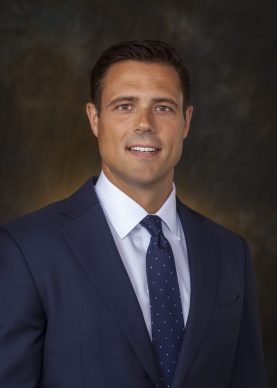
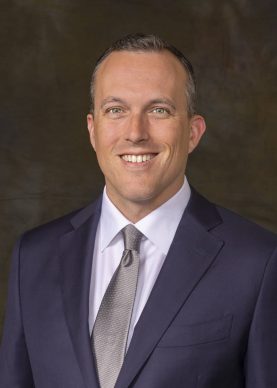
Our shoulder surgeons and sports medicine physicians at Raleigh Orthopaedic have extensive experience diagnosing and treating rotator cuff tears in patients of all ages and activity levels. We prioritize a collaborative approach – our specialists work closely with our physical therapists and other team members to create treatment plans focused on restoring comfort, strength, and function.







Learn More About Shoulder Care at Raleigh Orthopaedic

If shoulder pain or weakness is limiting your daily activities, work, or sports performance, our team at Raleigh Orthopaedic is here to help. With multiple clinic locations, on-site imaging, physical therapy programs, and advanced surgical options available throughout Wake County, we make it possible for patients to receive comprehensive shoulder care close to home. Don’t let shoulder pain hold you back – schedule an appointment with one of our specialists today and take the first step toward living and moving more comfortably.